Urban India is changing fast. Malls are bigger. IoT-enabled public storage lockers. Metro stations are busier. Public spaces are smarter.
As someone who works closely with facility owners and public infrastructure planners, I’ve seen one thing clearly: traditional lockers are no longer enough.
Today,IoT-enabled public storage lockers are becoming essential infrastructure in smart cities — not just for storage, but for security, revenue, and operational efficiency.
If you’re managing a mall, metro station, government building, or large public venue, this guide will help you understand why upgrading to smart locker systems is no longer optional — it’s strategic.
Why Smart Public Storage Matters in Urban Hubs
When you manage high-footfall properties, three things keep you up at night:
- Security risks
- Operational bottlenecks
- Missed revenue opportunities
Facility managers today need secure, scalable locker systems that:
- Work without heavy staffing
- Offer contactless access
- Provide real-time monitoring
- Generate rental revenue
That’s exactly where IoT locker systems step in.
Quick Benefit Snapshot
- Advanced Security – Real-time monitoring & digital access logs
- Contactless Access – QR codes, OTP, mobile apps
- Data Insights – Usage analytics & revenue tracking
- Remote Control – Manage multiple locations from one dashboard
What Are IoT-Enabled Public Storage Lockers?
Simply put, IoT-enabled public storage lockers are smart lockers connected to the internet.
They integrate:
- Sensors
- Cloud-based software
- Remote management dashboards
- Digital payment systems
Unlike traditional lockers, these systems don’t operate in isolation. They are part of a connected ecosystem.
How They Connect to Networks, Sensors & Cloud Apps
Each locker unit is equipped with:
- Internet connectivity (WiFi / 4G / LAN)
- Door sensors
- Usage tracking modules
- Centralized cloud software
As an operator, you can:
- Monitor usage in real-time
- Lock/unlock remotely
- Set rental pricing
- Track revenue
- Receive maintenance alerts
All without being physically present.
Benefits vs Traditional Lockers
| Traditional Lockers | IoT-Enabled Lockers |
|---|---|
| Manual keys or coins | QR / OTP / App access |
| No usage data | Real-time analytics |
| On-site monitoring required | Remote management |
| High misuse risk | Access logs & audit trails |
From an ownership perspective, the difference is night and day.
Remote Management
One dashboard. Multiple locations.
If you operate:
- 3 malls
- 5 metro sites
- 2 government buildings
You can manage everything centrally — pricing, availability, usage, alerts.
No need for separate staff at each site.
Real-Time Status + Usage Analytics
This is where smart lockers really shine.
You can see:
- Which lockers are occupied
- Peak usage times
- Revenue per location
- Underperforming zones
That data helps you optimize pricing and placement.
Automated Alerts & Maintenance
Instead of discovering a broken locker after complaints, you get:
- Instant malfunction alerts
- Tampering notifications
- Usage anomaly detection
This reduces downtime and improves user satisfaction.
Why Smart Cities Need Public IoT Locker Solutions
India’s smart city initiatives are driving:
- Digital infrastructure adoption
- Contactless services
- Urban automation
Public IoT locker systems align perfectly with this vision.
Handling High Footfall Locations
Shopping Malls
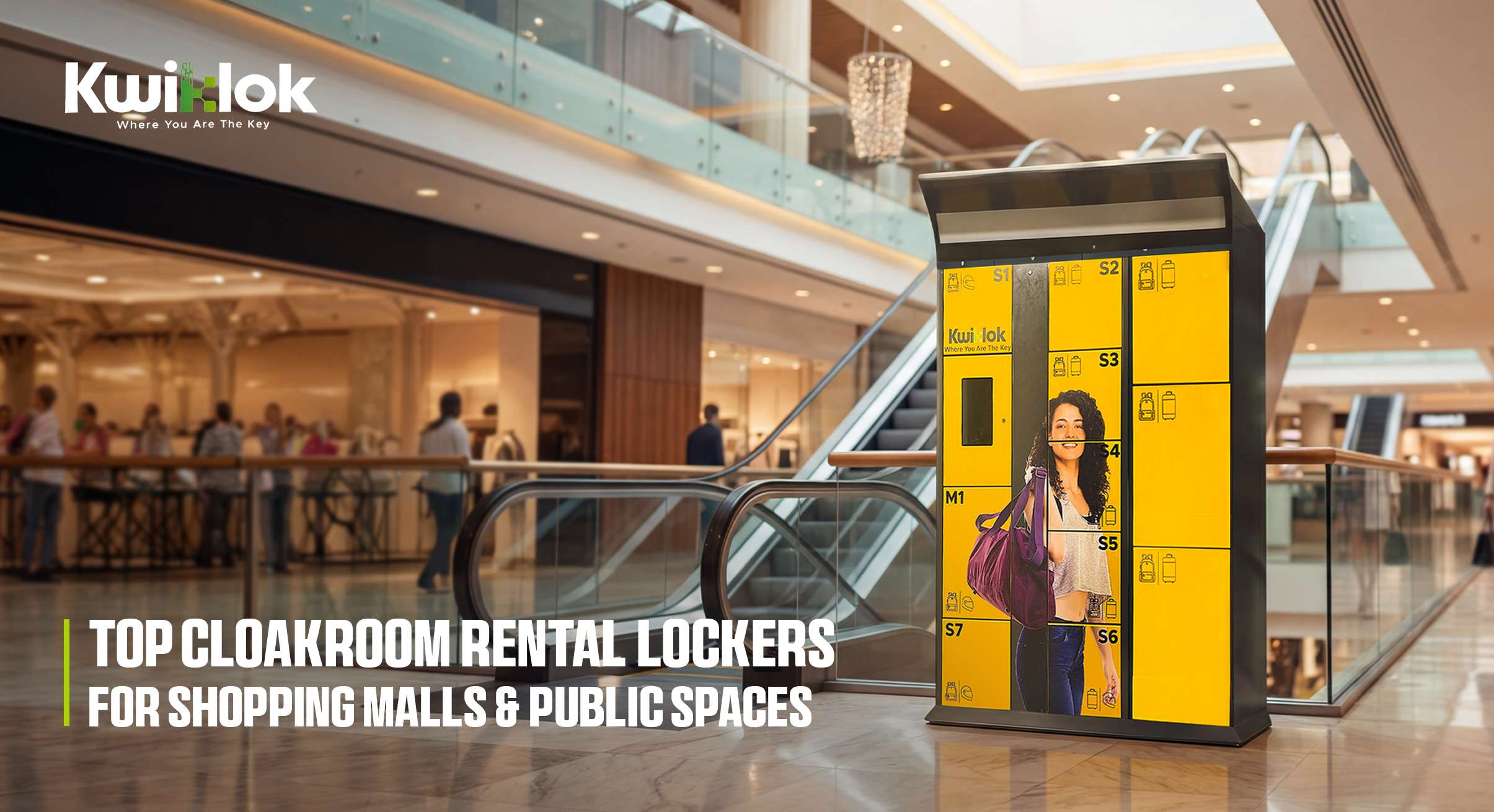
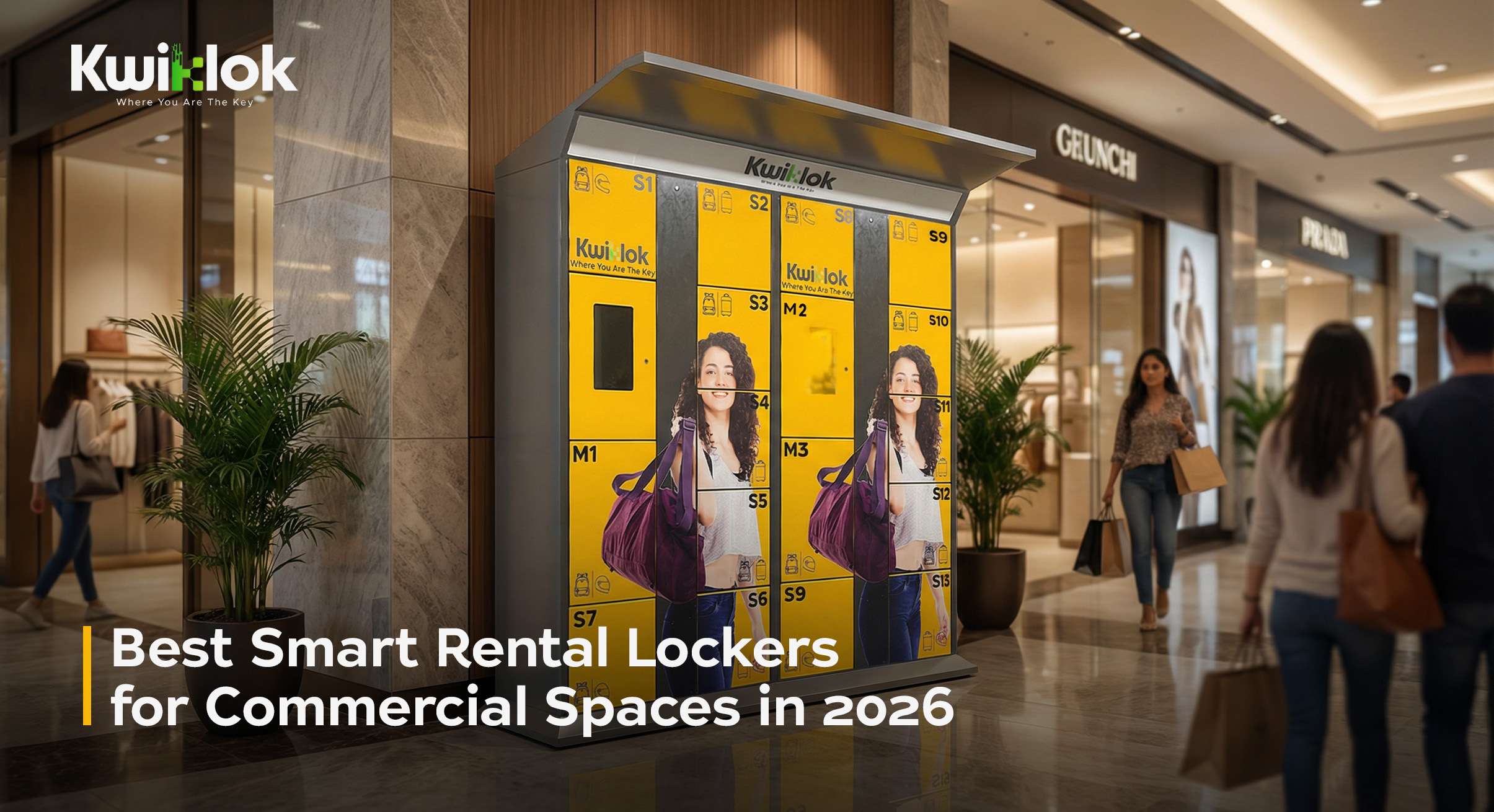
- Rental lockers near entrances
- Improve shopper convenience
- Increase dwell time
- Reduce baggage friction
Metro & Railway Stations
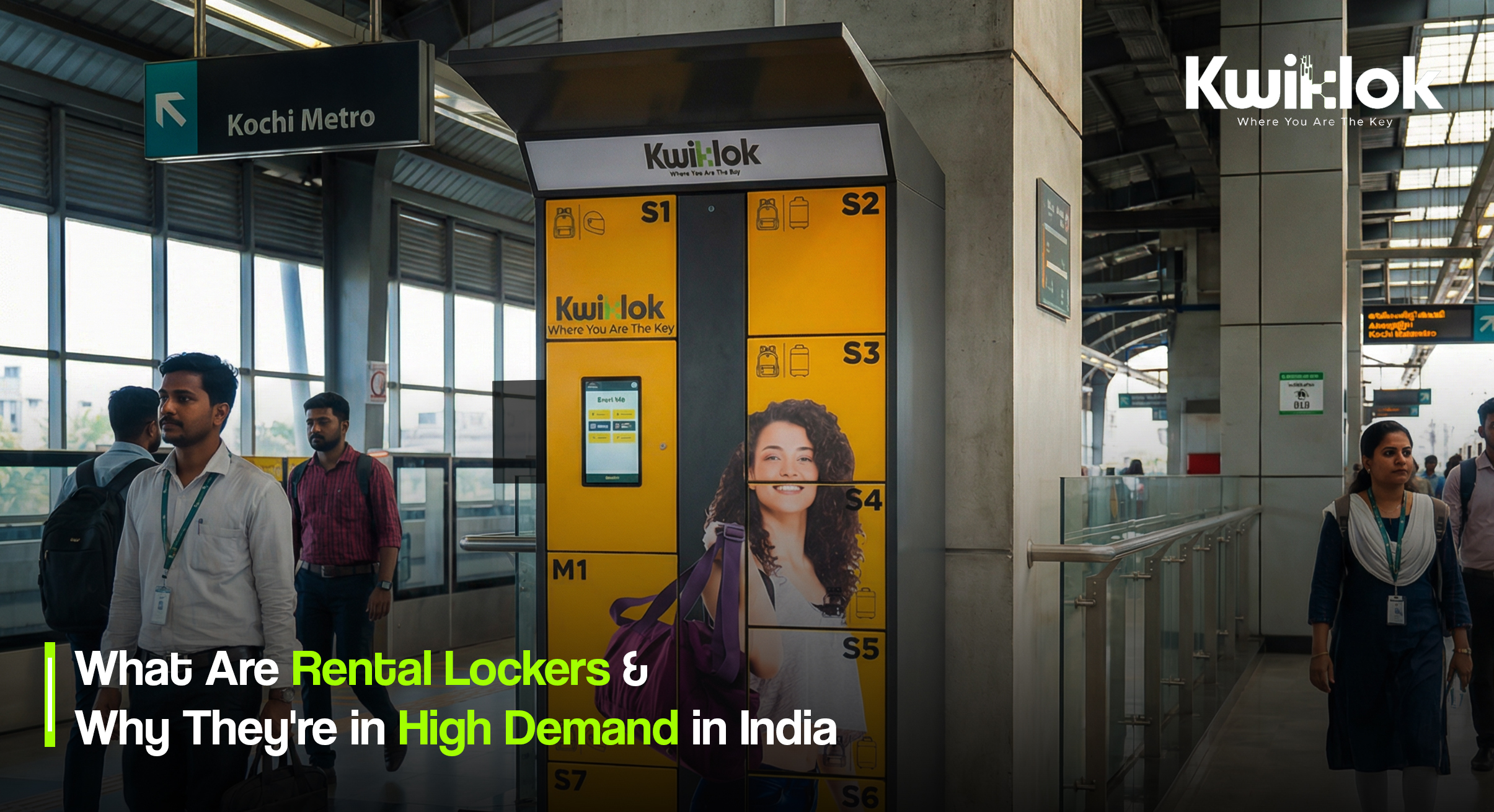
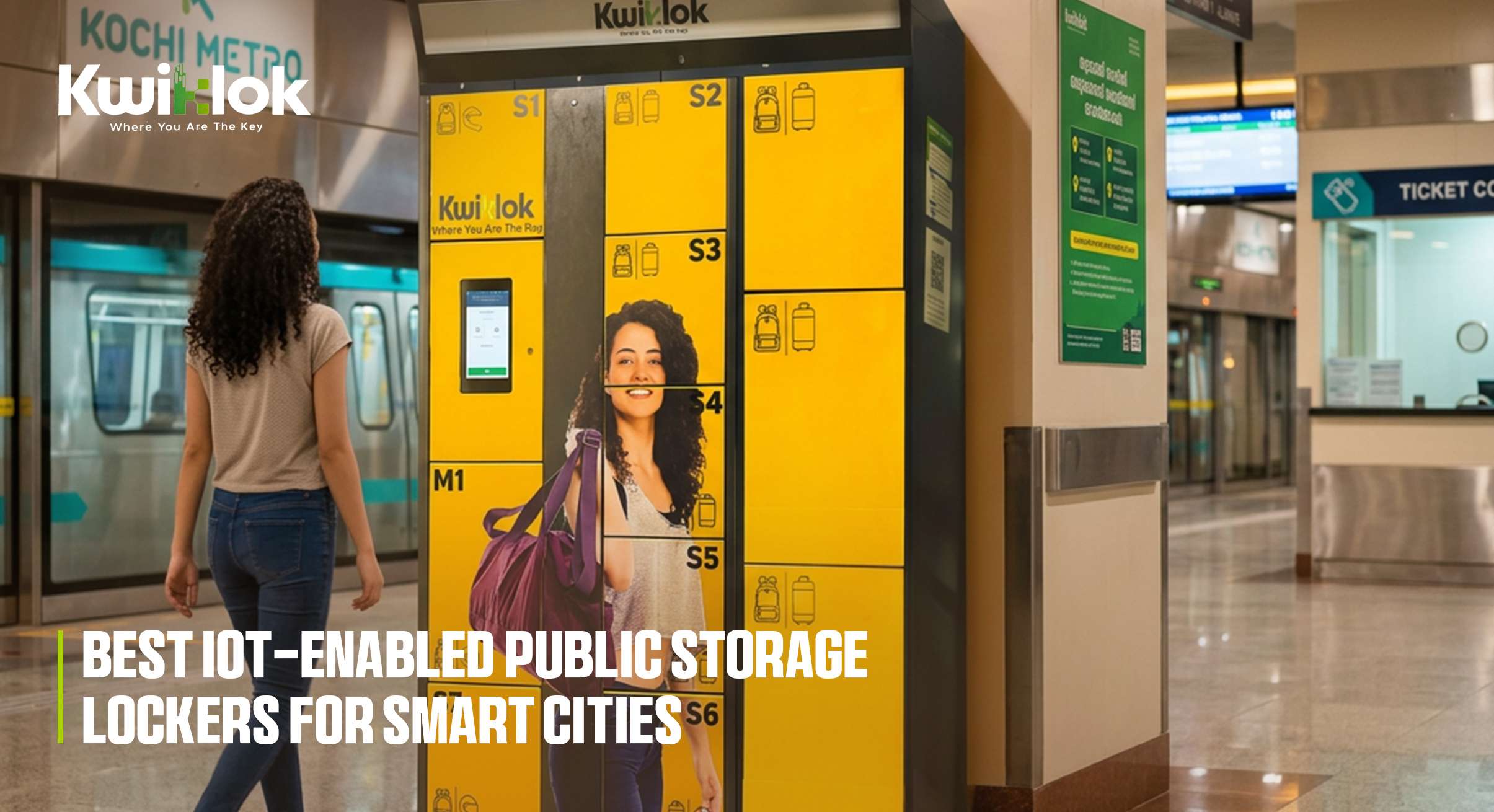
- Quick storage
- Digital payments
- Secure short-term usage
Government Offices
Visitors carrying documents or personal items benefit from secure, temporary storage.
Contactless Experiences for Users
Modern IoT locker systems offer:
- QR code access
- OTP-based unlocking
- Mobile app control
- Digital payment integration
This reduces physical touchpoints and improves hygiene standards.
Security, Data & Operational Efficiency
- Real-time monitoring
- Theft prevention via digital access logs
- Automated lock control
- Reduced manual supervision
Security becomes measurable, not assumed.
Key Features to Look for in IoT Locker Systems
- Smart Connectivity & Cloud Access
- Mobile App Management
- AI-Based Predictive Maintenance
- Multi-Location & Multi-Tenant Support
- Contactless & Touchless Access
- Flexible Rental Pricing & Usage Billing
- Remote Alerts & Admin Dashboard
Top Use Case Scenarios
Shopping Malls
- Rental lockers near entrances
- Automated billing & QR access
- Revenue per square foot optimization
Metro & Transit Hubs
- Contactless storage for commuters
- Integration with digital payment systems
- High-frequency turnover management
Public Events & Government Platforms
- Secure storage at exhibitions and fairs
- Temporary deployments
- Scalable installations
Results We Typically See
- Higher footfall satisfaction
- Increased dwell time
- Additional revenue stream
- Reduced staff dependency
Choosing the Right Public IoT Locker System
- Scalability
- Data dashboard & analytics
- Maintenance & after-sales support
- Customizability
- API integrations with payment systems
Make sure the provider has proven experience in deploying IoT locker systems in high-footfall public environments.
ROI: How IoT Lockers Drive Value
Revenue from Rentals
Even moderate usage can generate steady monthly income.
Reduced Staffing Costs
No need for manual supervision or key management.
Enhanced User Experience
Better experience = higher return visits = increased overall revenue.
From an ownership standpoint, IoT lockers aren’t an expense — they’re an asset.
Ready to Upgrade Your Public Storage?
If you’re considering upgrading your facility with IoT-enabled public storage lockers, the next logical step is a live demo.
What You’ll See in a Demo
- Live admin dashboard
- Real-time analytics view
- Remote lock/unlock capability
- Usage reports
- Deployment models (mall, metro, government setups)
- Custom branding options
Final Thoughts
If you’re managing urban infrastructure today, convenience and automation aren’t optional anymore.
IoT locker systems help you:
- Modernize your property
- Improve customer experience
- Increase operational visibility
- Create a passive revenue stream
Smart cities need smart infrastructure — and public IoT lockers are becoming a foundational layer of that ecosystem.